Moissanite vs Cubic Zirconia vs White Sapphire
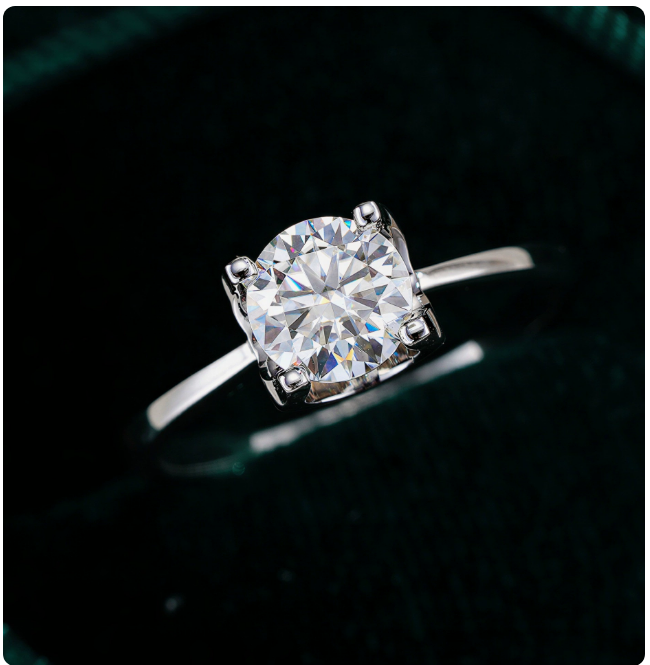
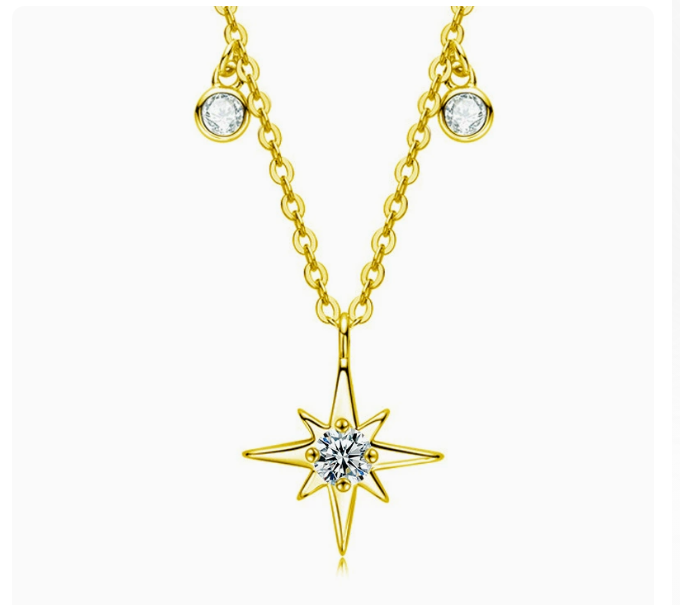
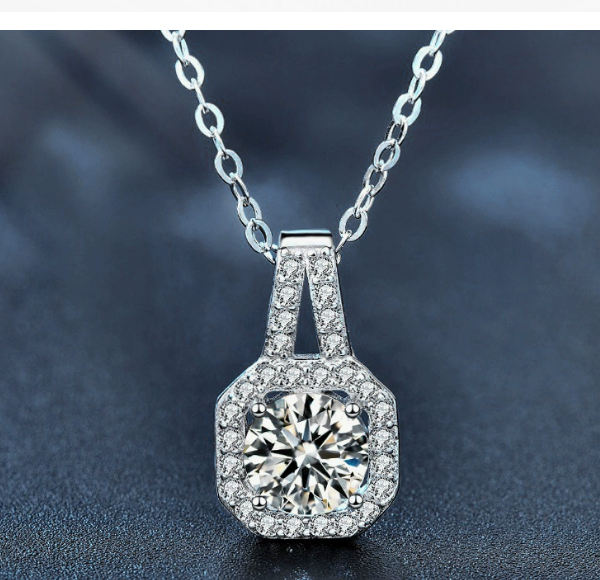
Three white stones, one photograph, almost no visible difference. The differences show up in month three, not minute one — which is why the comparison that matters is not brightness but what happens to the stone after a year of wear.
Hardness decides how long it stays pretty
- Moissanite: about 9.25 on the Mohs scale.
- White sapphire: about 9.
- Cubic zirconia: about 8 to 8.5.
On paper those numbers look close. In practice, the bottom of that range is where everyday grit starts leaving marks. A stone that picks up fine scratches stops reflecting light cleanly, and no amount of cleaning brings the original brightness back.
The look: fire versus white flash
Moissanite has more coloured fire — the rainbow flashes you see when the stone moves — than either alternative. Cubic zirconia is extremely bright in a shop light but reads flatter outdoors. White sapphire has a quieter, glassier appearance: it returns light evenly, with less of the coloured scatter that makes a stone look lively.
If you want sparkle that is visible in daylight and in photographs, moissanite is the closest of the three to that effect. If you prefer a restrained, almost matte-bright look, white sapphire is the calmer choice.
Cubic zirconia: cheap, bright, short-lived
CZ costs a fraction of the other two and looks convincing for the first few months. The problem is durability and cloudiness: the surface abrades, and some stones develop an oily haze that cleaning does not fully remove. For a one-off event, that trade-off can make sense. For something worn weekly, it usually ends up being replaced rather than kept.
White sapphire: durable, understated
White sapphire holds up well and is genuinely hard. Its limitation is visual rather than structural: without the coloured fire, it can look slightly flat next to moissanite, especially in a simple setting where the stone is the whole design. It is a good choice for someone who finds a lot of sparkle too much.
Why moissanite is the middle option — and the usual answer
Moissanite sits between the two on price and above both on the combination of hardness and fire. That is why it has become the default for affordable fine jewellery: it survives daily wear, it photographs well, and it does not need replacing every couple of years.
One thing worth knowing: moissanite is not graded like a colourless diamond, and it should not be sold as one. It comes with its own GRA card describing the stone. If a seller describes moissanite using diamond grading language and certifications, that is a reason to slow down — see our guide to stone certification.
Setting and metal matter as much as the stone
All three stones are usually set in sterling silver at this price point, and silver is the part that ages most visibly. A well-cut moissanite in a tarnished setting looks worse than a white sapphire in a clean one. Our pieces use recycled 925 sterling silver, and the five-minute care ritual keeps the metal from undoing the stone.
The short version
CZ for a single occasion, white sapphire if you want a quieter look, moissanite if you want one piece that still looks right after a year of regular wear. Price alone will not tell you which one you are buying — the certificate and the hardness will.
Questions we get about this
Is moissanite more durable than cubic zirconia?+
Does moissanite look different from white sapphire?+
Should moissanite come with a diamond grading report?+
Wear it, then decide.
Every piece ships with 30-day returns and one free ring size exchange. If it does not feel right, send it back — no explanation needed.
Explore the collection