Rings for Sensitive Skin: Nickel-Free, Hypoallergenic and Tarnish-Free, Explained
The best ring for sensitive skin is not simply the one labelled “hypoallergenic.” It is the one whose base metal, alloy, plating and care requirements are disclosed clearly enough for you to make an informed choice.
The short answer
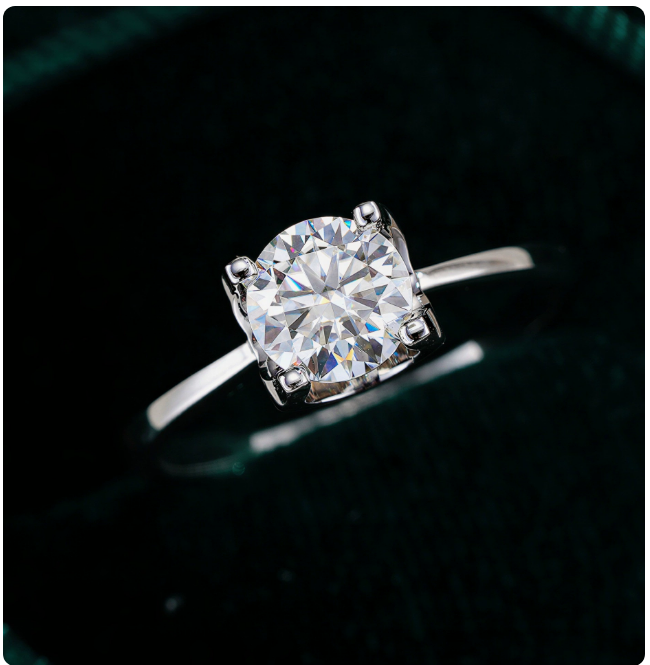
If you have sensitive skin, look for nickel-free and hypoallergenic bands made from titanium, platinum, or a solid 14k gold alloy that the jeweler confirms contains no nickel. Some people also wear nickel-free 925 sterling silver comfortably, but “925” describes silver purity—not the identity of every metal in the remaining alloy.
For everyday wear without taking it off, PVD-coated stainless steel offers a tarnish-resistant and waterproof finish at a budget-friendly price. It is a different proposition from sterling silver or gold vermeil: the coating and the steel underneath both matter, and even a durable coating is not indestructible.
Ask what the entire ring is made of, what touches your skin after the finish wears, and which chemicals the care instructions tell you to avoid.
Hypoallergenic and nickel-free are not interchangeable
Hypoallergenic means designed to reduce the likelihood of an allergic reaction; it does not mean reaction-proof, and there is no universal cross-brand guarantee behind the word. Nickel-free addresses one specific allergen. Depending on the market and test standard, it may refer to no intentionally added nickel or to nickel release below a legal threshold, so shoppers with a diagnosed allergy should ask which definition and standard the seller uses.
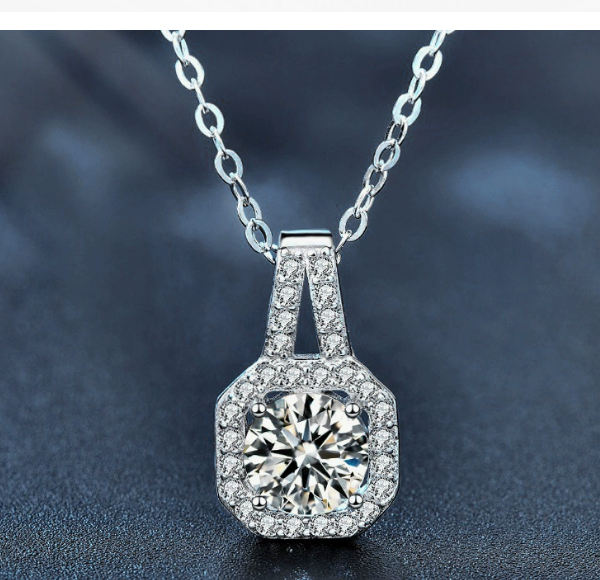
Solid 925 sterling silver contains 92.5% silver and 7.5% other metals. Copper is common, but alloy recipes vary. Rhodium or gold plating can place a barrier between skin and the base alloy, yet that barrier becomes thinner with friction. A plating colour alone is therefore not proof that a ring is nickel-free.
Our guide to S925 sterling silver explains the purity stamp in more detail. If you have had a severe reaction, a dermatologist’s patch-test result is more useful than trial and error with unknown alloys.
Tarnish-free and waterproof describe different properties
Tarnish is a surface reaction. Sterling silver can darken when it meets sulfur compounds in air, beauty products or everyday environments; this is not the same as rust, and it can usually be polished away. Waterproof means water exposure alone should not damage the item under stated conditions. It does not automatically mean resistant to chlorine, salt water, perfume, sunscreen or abrasive cleaning.
Physical vapour deposition, or PVD coating, bonds a thin, hard coloured layer to a suitable base such as stainless steel. It generally resists corrosion and colour change better than conventional decorative plating. Still, scratches, sharp impacts and years of friction can expose the layer underneath. “Tarnish-free” should consequently be read as a performance claim with care conditions, not a promise that no surface can ever change.
Sterling silver rewards a different approach: remove it for pools and product-heavy showering, dry it after exposure and follow a simple silver care ritual. The ability to repolish a solid precious-metal surface is often more valuable than an absolute maintenance-free claim.
Solid gold, 14k gold-filled and gold vermeil
These terms describe fundamentally different constructions:
- Solid 14k gold is a gold alloy throughout the piece, with 58.5% pure gold. The other metals affect colour, hardness and allergy suitability.
- 14k gold-filled has a substantial, mechanically bonded layer of 14k gold over a separate core, usually a base metal. “14k” describes the outer gold layer, not a solid-gold ring.
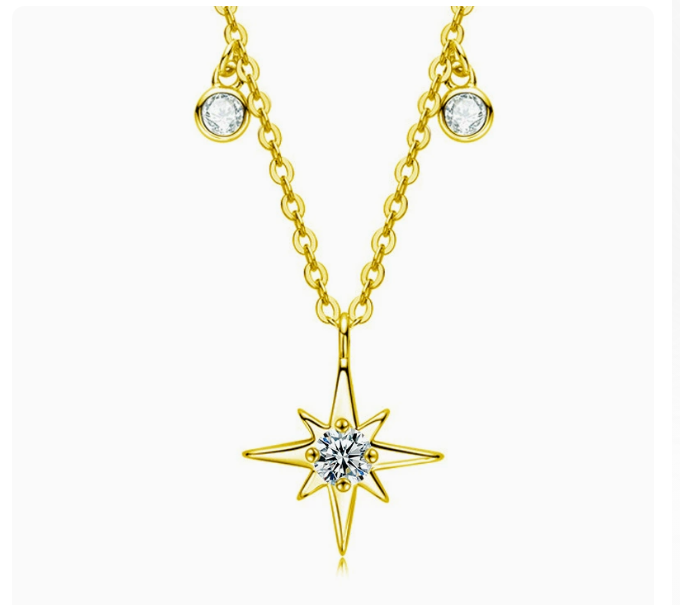
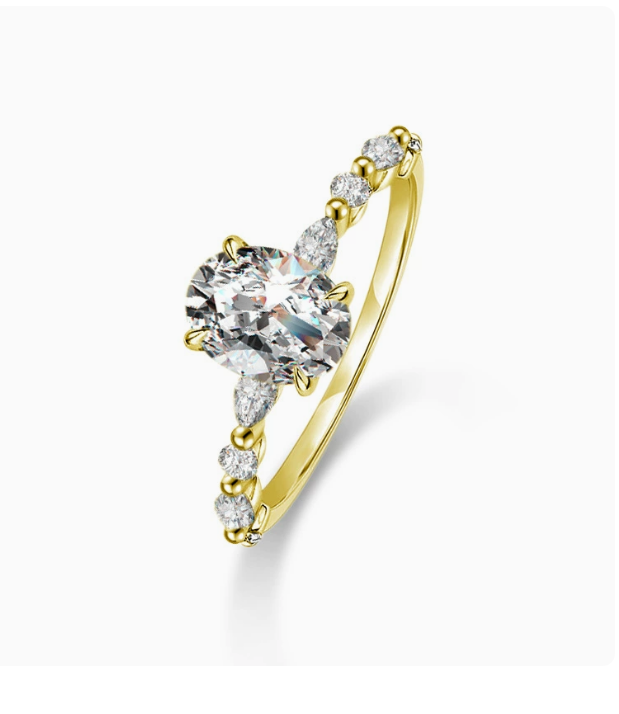
- Gold vermeil is gold plated specifically over sterling silver. In the US, vermeil must meet minimum purity and thickness requirements, including a 2.5-micron gold layer. Asking for the actual micron thickness is useful wherever you shop.
- Standard gold plating is often much thinner and may be applied over different base metals. Without a stated base and thickness, the description alone says little about longevity.
Unlike thin decorative plating that can wear through quickly, gold-filled and gold vermeil offer a more substantial gold surface, but they do so in different ways. Vermeil keeps a precious-metal sterling-silver core; gold-filled uses a thick bonded layer over its specified core. Neither should be confused with solid gold.
Recycled metal and skin safety are separate questions
Eco-conscious shoppers may prefer 100% recycled gold or recycled sterling silver because recycled inputs can reduce demand for newly mined metal. That claim does not, by itself, establish nickel content, working conditions or the footprint of every part of a supply chain.
If a brand mentions Responsible Jewellery Council (RJC) certification, check whether the certification and any chain-of-custody scope apply to the relevant supplier and material—not just to the company generally. A recycled claim, an RJC membership and a product-level materials specification answer different questions.
NovaVibe Collective builds its collection around recycled 925 sterling silver, with the finish and care requirements listed on individual product pages. We do not use “recycled” as a shortcut for “hypoallergenic,” and we do not describe silver as permanently tarnish-free.
How to read “gym-proof” and “shower-safe” claims
Real-world reviews are most useful when they name the wear period and conditions: several months of daily showers is more informative than “still perfect.” Even then, one buyer’s experience is not a controlled test. Chlorine can be harsh on precious metals and solder joints, while weight training can bend a slim band or loosen a setting regardless of its water resistance.
Look for verified reviews with long-term photographs, but follow the material specification and care policy first. Remove rings for weights, abrasive work and swimming when the jeweler advises it; water resistance cannot prevent mechanical damage.
A five-question checklist before you buy
- What is the exact base metal and alloy, and has nickel content or nickel release been tested?
- If the ring is coated, what is the coating material and thickness, and what happens as it wears?
- Does “waterproof” include shower products, salt water or chlorine, or only clean water?
- Can the surface be polished or refinished, and what care voids any warranty?
- Are recycled-metal or certification claims documented for the specific item or supplier?
Clear answers make comparison easier. If a listing relies only on broad words such as hypoallergenic, non-tarnish or ethical, ask for the specification behind them before choosing your next everyday ring.
Questions we get about this
Is 925 sterling silver hypoallergenic?+
Can I shower with a sterling silver or gold vermeil ring?+
Is gold vermeil better than ordinary gold plating?+
Wear it, then decide.
Every piece ships with 30-day returns and one free ring size exchange. If it does not feel right, send it back — no explanation needed.
Explore the collection