Why Some Rings Feel Better Than Others: Comfort-Fit, Low-Profile and Stackable Design
Two rings in the same US size can feel completely different. The reason is usually not your finger—it is the curve inside the band, the height of the setting, the width of the metal and the way neighbouring rings meet.
Comfort-fit: the inside shape matters
A comfort-fit interior has a gently rounded or domed surface rather than a flat inner wall. The curved edges reduce the sharp pressure points some people notice when a band passes over the knuckle or closes around the base of the finger. This is especially helpful on a wider band, which contacts more skin and naturally feels tighter than a narrow ring in the same labelled size.
A comfort-fit interior features slightly domed edges, making wider bands much easier to slide over knuckles and wear all day. It does not change the ring’s nominal US size, however, and it cannot rescue a size that is fundamentally too small. Measure with a sizer close to the width of the ring you intend to buy, and ask whether the maker recommends any size adjustment for that particular design.
Low-profile and bezel settings reduce snagging
A ring’s profile is the height it projects above the finger. A bezel setting surrounds all or part of a stone’s outer edge with metal rather than holding it only at discrete prong points. A low, well-finished bezel has fewer exposed corners to catch on knitwear and can protect the stone’s girdle from everyday knocks.
If you work with your hands or wear gloves often, a low-profile bezel setting keeps the stone secure and is less likely to snag on sweaters. “Low-profile” is relative, though: ask for the setting height in millimetres and look at side-view photographs. A bezel can still sit high, and a low prong setting can still have tips that require periodic inspection.
For gloves, also check the gallery—the space beneath the stone. Smooth, closed or carefully finished surfaces are less likely to trap fibres than ornate open work. Security depends on workmanship and maintenance, not on the setting label alone.
Stackable does not always mean flush-fit
A stackable ring is designed to be worn with other bands. A flush-fit band meets a neighbouring ring with little or no visible gap. Those qualities overlap, but they are not identical.
A high-set solitaire may leave enough space for a straight wedding band to slide beneath its centre stone. A low-set basket or bezel often blocks that straight band, creating a gap or causing the stones to rub. In that case, a curved, notched or contoured band is usually the better solution.
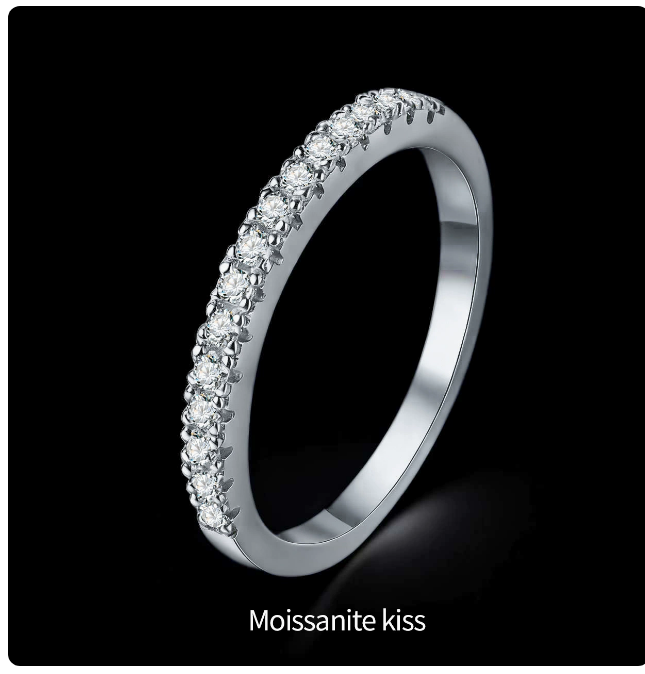
This curved band is designed to sit flush against an engagement ring, making it ideal for a seamless stackable look. Before buying, compare side profiles rather than relying on a top-down product photograph. Leave enough room for each ring, avoid stone-to-stone contact and remember that an eternity band may be difficult or impossible to resize later.
Adjustable and open-shank designs for changing fingers
Finger size can shift with heat, hydration, activity, pregnancy and time of day. An open-shank or adjustable ring leaves a small gap or uses a flexible mechanism to accommodate that movement without frequent resizing.
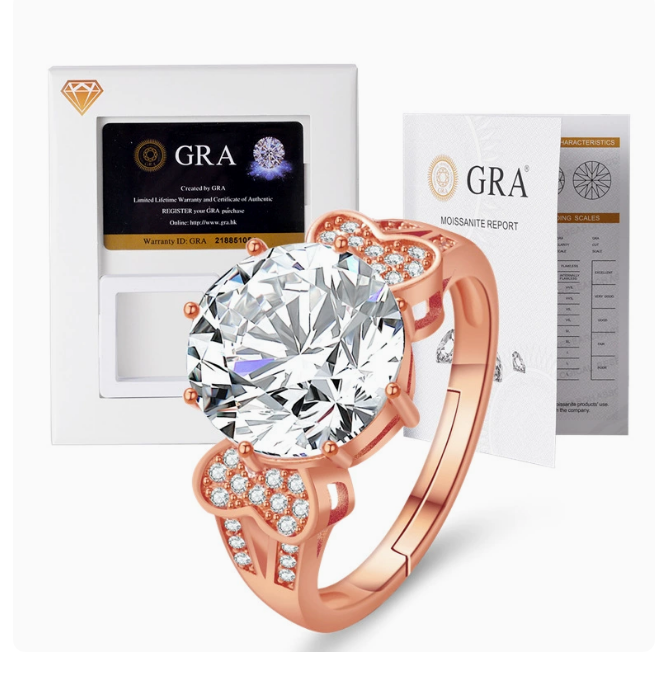
For fingers that swell in the heat, an open-shank or adjustable ring provides flexibility without needing frequent resizing. It is most practical for designs intended to flex: repeated bending of a ring not made for adjustment can weaken the shank, loosen stones or create uneven pressure. Check that the ends are smooth and do not pinch, and avoid forcing the ring wider at the stone-setting area.
For a valuable solitaire or an engagement ring, professionally fitted sizing beads, a spring insert or a properly planned resize may be more secure than repeatedly bending an open band. Measure at different times before deciding, and use our US ring sizing guide to establish a reliable baseline.
Four prongs, six prongs and everyday security
A four-prong setting exposes more of the stone and can look visually light. A six-prong setting adds more contact points and may help retain a round stone if one prong becomes damaged. Neither configuration is maintenance-free: a snagged or worn prong needs attention in either design.
Check that prongs look even, sit smoothly against the stone and do not lift at their tips. Have them inspected after a hard impact or when you first notice catching. Bezel and prong settings can both be secure; the relevant difference is how they distribute protection and what kind of wear they receive.
Band width in millimetres: comfort meets durability
Millimetres describe the physical width of the shank, while US ring size describes the inside circumference. Both influence how a ring feels. For an everyday stone-set ring, many shoppers start around 1.8mm to 2mm as a balanced width, paired with a secure setting and regular inspection.
To reduce the likelihood of bending over time, aim for sufficient metal thickness as well as width; a delicate, airy band and a substantial band can share the same face-up measurement yet perform differently. Very slim rings can be comfortable and intentional, but they deserve gentler treatment. Wider bands distribute pressure differently and may require a different fit, particularly over a larger knuckle.
Do not buy by size alone. Ask for band width, setting height and a side photograph—the three details that reveal how the ring will actually live on your hand.
The everyday-wear test
When your ring arrives, wear it indoors within the return-policy conditions and notice the small things. Make a fist, type, pull on a soft knit and wash and dry your hands according to the care instructions. The interior should not pinch, the stone should not repeatedly catch, and stacked rings should not grind against one another.
If you are comparing comfort with skin sensitivity, our guide to nickel-free, hypoallergenic and tarnish-resistant rings explains the material side of the decision. The right everyday ring needs both a compatible material and a shape that works with your routine.
Questions we get about this
Should I size up for a comfort-fit ring?+
Is a bezel setting safer than prongs?+
What band width is best for an everyday ring?+
Wear it, then decide.
Every piece ships with 30-day returns and one free ring size exchange. If it does not feel right, send it back — no explanation needed.
Explore the collection